I practice what is often called ‘pluralistic’ counselling, an approach outlined by Mick Cooper and John McLeod. This means that I start from the understanding that every human being is unique and there is no single correct way to support them through their mental health journey. Because I believe that you are the person who knows most about your own life, I treat our work together as a collaborative process. I’m not ‘the expert’ who holds all the answers.
The theoretical approaches I primarily draw upon are:
Person Centred Therapy: Developed by American psychologist Carl Rogers in the mid-20th century, Person Centred Therapy is a humanistic approach which creates space for individuals to grow, work toward their potential and develop more genuine and positive regard for themselves. Person Centred Therapy takes the view that the client is the expert about their own life and can, with the right support and conditions, find their own best ways forward.
Psychodynamic Therapy: psychodynamic approaches seek to understand our unconscious emotional processes and defence mechanisms. It also recognises the influence of our early childhood experiences on our relationship patterns and our ability to form healthy connections with others. Through a psychodynamic way of working, you will be encouraged to think about your relationships with your parents/carers and what you learned about yourself and other people as a child.
Cognitive and Behavioural Therapies: this is a family of therapeutic styles which seek to explore how our habitual thought patterns affect our feelings and our behaviours. CBT approaches can help you explore unhelpful beliefs or assumptions you may have about yourself and the world, and understand how these beliefs might be contributing to difficult feelings such as anxiety, anger and depression. It can also offer you tools that you can use to help manage your thoughts and feelings.
Trauma-informed practice: Being trauma informed means that instead of asking ‘What is wrong with you?’, I am more interested in understanding, ‘What has happened to you?’. In our lives, most of us have experienced some form of trauma, which is an event, process or relationship which causes emotional distress and can leave us feeling unsafe long after any danger has passed. Trauma is one of the most significant causes of anxiety, depression and other mental illnesses. Over a longer period, it can also take a significant toll on our physical health. I will work with you to process traumatic experiences and manage the emotional and physical expressions of trauma.
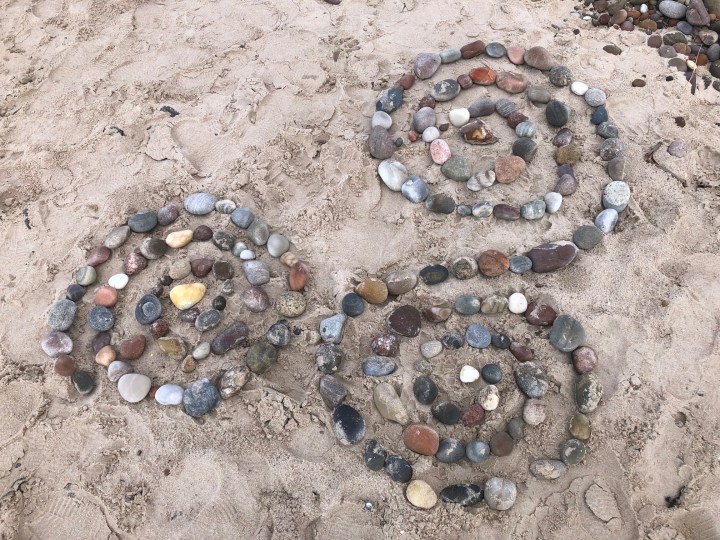
Mindfulness, creative and nature-based approaches: I will often touch upon simple mindfulness-based approaches, such as breathing techniques and grounding, which can help you to regulate your thoughts and emotions. For clients interested in creative expression, I will encourage journalling and other writing, drawing or other forms of artistic activity. Subject to time-constraints, I am also sometimes able to offer walk and talk therapy, exploring the therapeutic benefits of physical activity and nature.
 Rebecca McKinney Counselling